




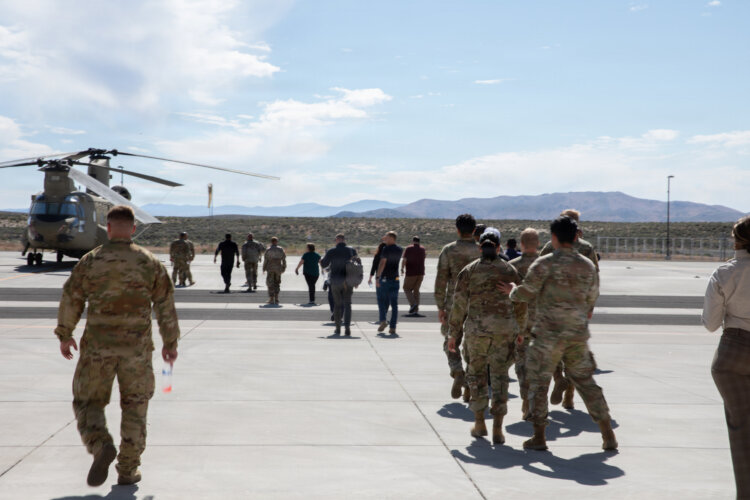
Understanding the intricate relationship between military service and civilian employment often comes down to a single realization: the “three-legged stool” of our national defense relies on the stability of the family, the community and the employer. When one leg falters, the entire structure — our nation’s rapidly expandable military capability — is at risk.
The employer perspective
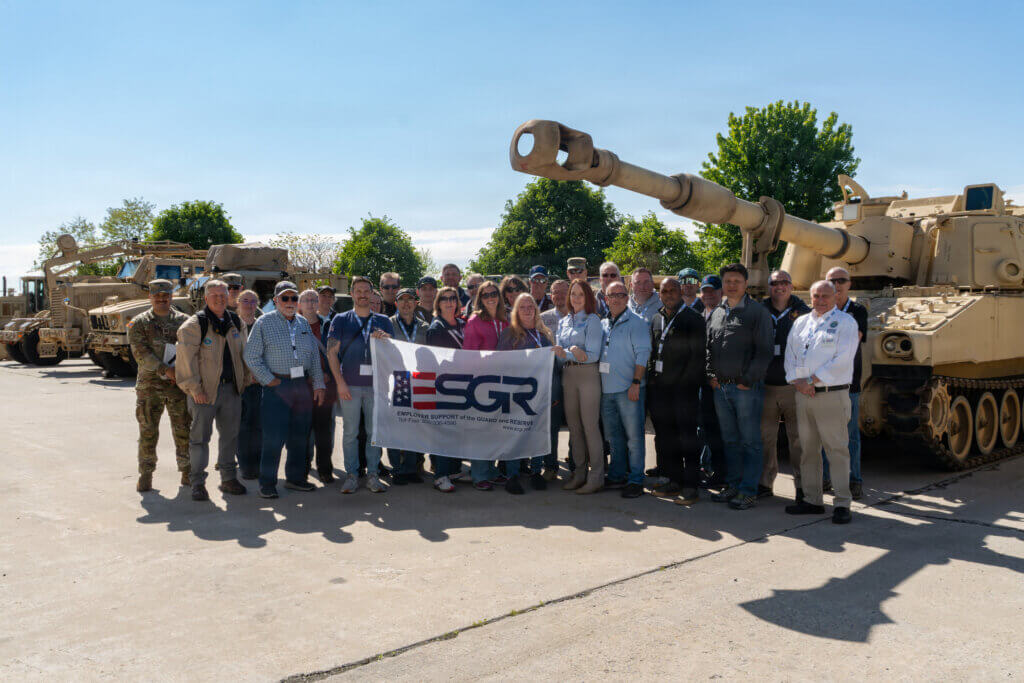
During an awards ceremony I attended years ago for the Employer Support of the Guard and Reserve (ESGR) in my home state of Wisconsin, a revealing truth surfaced during conversations with local business owners. When asked about the greatest challenge of employing service members, the answer wasn’t their absence from the workplace itself; it was the ability to plan for that absence.
Employers generally view supporting the National Guard and reserves as a patriotic contribution to national security. In my current role at VetJobs, we work every day with employers of all sizes that recognize the immense value these individuals bring to the workplace, including:






















- Advanced leadership skills and discipline;
- A strong, independent work ethic; and,
- The benefit of “front-loaded” expectations, as they hire with the knowledge of future military commitments.
Many employers even go above and beyond by offering differential pay, assisting families during deployments, and maintaining regular “check-in” calls with their service members.
The communication gap
The system typically breaks down when employers receive insufficient notice of a military absence. While the Uniformed Services Employment and Reemployment Rights Act (USERRA) doesn’t dictate a rigid timeline, it requires notice that is “reasonable under the circumstances.” Official recommendations suggest providing notice at least 30 days prior to departure whenever possible.
For many drilling members, this is a difficult balancing act. As people of integrity, they want to fulfill their duties to both their unit and their boss. However, delaying these conversations to avoid discomfort only adds stress to the employer and can negatively impact the company’s productivity and bottom line.
Building a foundation of trust
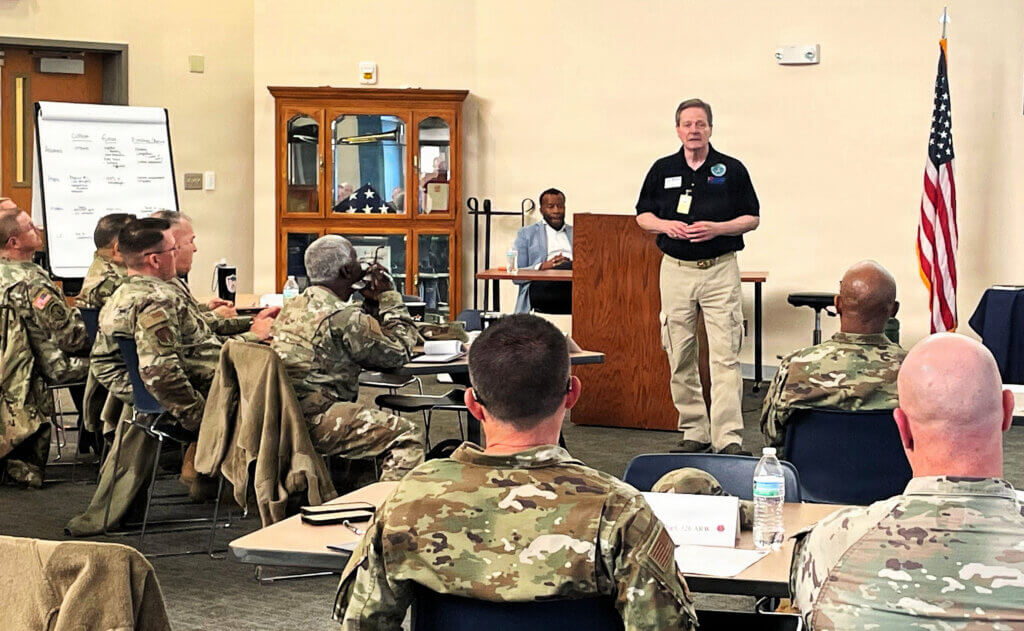
Maintaining trust and good faith is critical. While employers have the legal right to request verification of duty, it is far better to foster a transparent relationship long before it is tested by a deployment.
Successful strategies for strengthening this bond include:
- Early engagement: Discussing schedules and upcoming requirements well in advance.
- ESGR resources: Utilizing awards programs and resources designed to recognize and educate supportive employers.
- Statements of Support: Encouraging employers to sign a Statement of Support, perhaps in conjunction with a “Boss Lift” event.
In an ideal situation, the military and the employer successfully “share” talented individuals and acknowledge the mutual benefit of hiring these amazing people. Just a couple of years ago, quite by accident, I ran across a powerful example of how successful this can be. While visiting a joint exercise for the Guard, I was approached by one of my soldiers working at a nearby construction site. He invited me to come meet his supervisor, and there in the work trailer alongside project charts and computers, a supervisor proudly displayed a signed Statement of Support and a photo of the signing ceremony. That level of mutual pride and commitment is exactly what keeps the three-legged stool intact and our nation ready for the fight.
For more information about VetJobs or these columns, contact dmay@vetjobs.org.