



Dianna DiToro and her fiancé, Nick Scaljon, both Marine Reserve officers, were serving in Germany as federal employees when they learned Scaljon would need a routine medical procedure. Not only did the procedure have some hiccups, slowing his recovery, but those medical annoyances were compounded by a delay in receiving official medical translation from German to English, as Navy medicine required.
With a fitness test looming, it soon became clear Scaljon wouldn’t be able to provide Navy medicine with what was needed before the deadline at year’s end, which can spell the end of an officer’s career. To make matters worse, they were out of town for the holidays and didn’t have any local military support.
DiToro turned to the Reserve Leadership Collective, an informal network of Marine reservist officers, for help. She wasn’t expecting miracles, but it was worth a shot.





















“The group was still young, but we reached out and said, ‘I don’t have boots, I don’t have anything,’” said DiToro, a Marine lieutenant colonel. “Within three hours, he had boots, he had a place to take the test in the morning. The community came together.”
Filling the gaps
DiToro and Scaljon’s experiences speak to the challenges of the reserve component — geographic isolation, lack of day-to-day mentorship, and fewer built-in professional networks than their active-duty counterparts. The Reserve Leadership Collective is stepping in to fill those gaps.
“On active duty, you have the council of captains, you have an O club [officers’ club] where you can throw a rock and hit a dozen other officers,” said Marine Corps Reserve Lt. Col. Coston Smauley, one of the founders of the Collective. “In the Reserve, that’s not the case at all.”
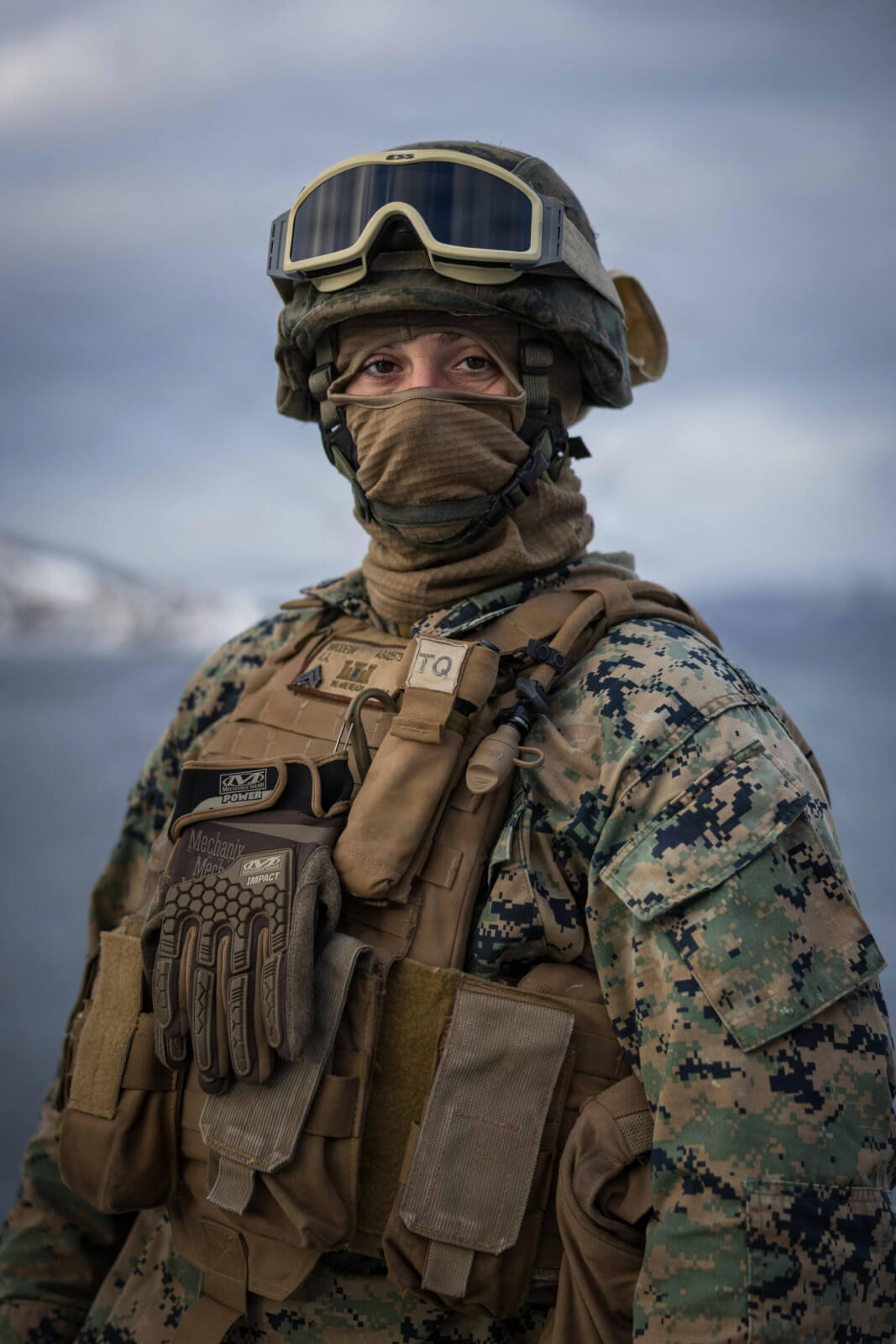
Reserve units can span multiple states. Smauley once served in a battalion, headquartered in Portland, Oregon, with 13 units in 11 states stretching all the way to the East Coast. Outside of an annual conference, the commanders never saw each other, making collaboration and mentorship seem unthinkable.
These challenges gave rise to the Collective, a grassroots effort to build camaraderie and share knowledge across reserve officer ranks, which Smauley launched in 2020 on Veterans Day.
“This stemmed from an effort to create a virtual O club,” said Smauley. “A safe space for officers to ask the dumb questions in a much more accessible place.”
The organization leaned into a Facebook group, which is still going strong. Officers gather there to regularly connect and share billet opportunities and answer professional questions, sans classified or sensitive information. The interaction is organic, practical and timely.
“We view our use of modern communication platforms and professional networking forums as a natural evolution of the traditional ‘water cooler’ conversations and field-training discussions,” said Smauley. “Someone might say, ‘I’m in the market for a new XO,’ and they’ll post those opportunities. It’s much more relevant and real-time because you’ve got the point of contact at that unit who is actively looking for a position.”
Bridging the divide
Collective leaders are clear that they are not trying to replace the Marine Corps structure or traditional advocacy groups. They want to complement those organizations by bridging the divides that occur is a geographically disperse force, meeting reservist officers at their point of need.
“There are quite a few groups that do advocacy, which is important and I believe in that,” said DiToro, a Collective co-founder and treasurer. “But those groups are very much ‘up and out.’ We’re ‘down and in.’”
That down-and-in approach isn’t limited to digital networking, either.
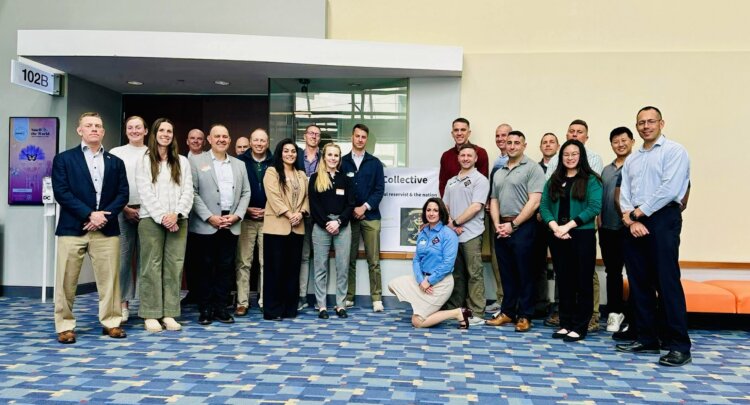
“I think when we first noticed we were meeting a need is when we had our first in-person symposium in 2024 in the Dallas-Fort Worth area,” Smauley said. “We had over 30 individuals attend, 100 percent out of their own pocket, for a two-day conference.”
This year, symposium attendance was about twice that, speaking to a growing need — and one that might not be limited to the Marines.
“Coston’s had conversations with his Navy brothers and sisters, and I’ve talked to my Air Force Reserve counterparts,” said DiToro. “We want to explore how we can expand sustainably and how we can pass on some of the good news across the ranks. Continued growth is the mission.”
For more information, visit the Reserve Leadership Collective website.