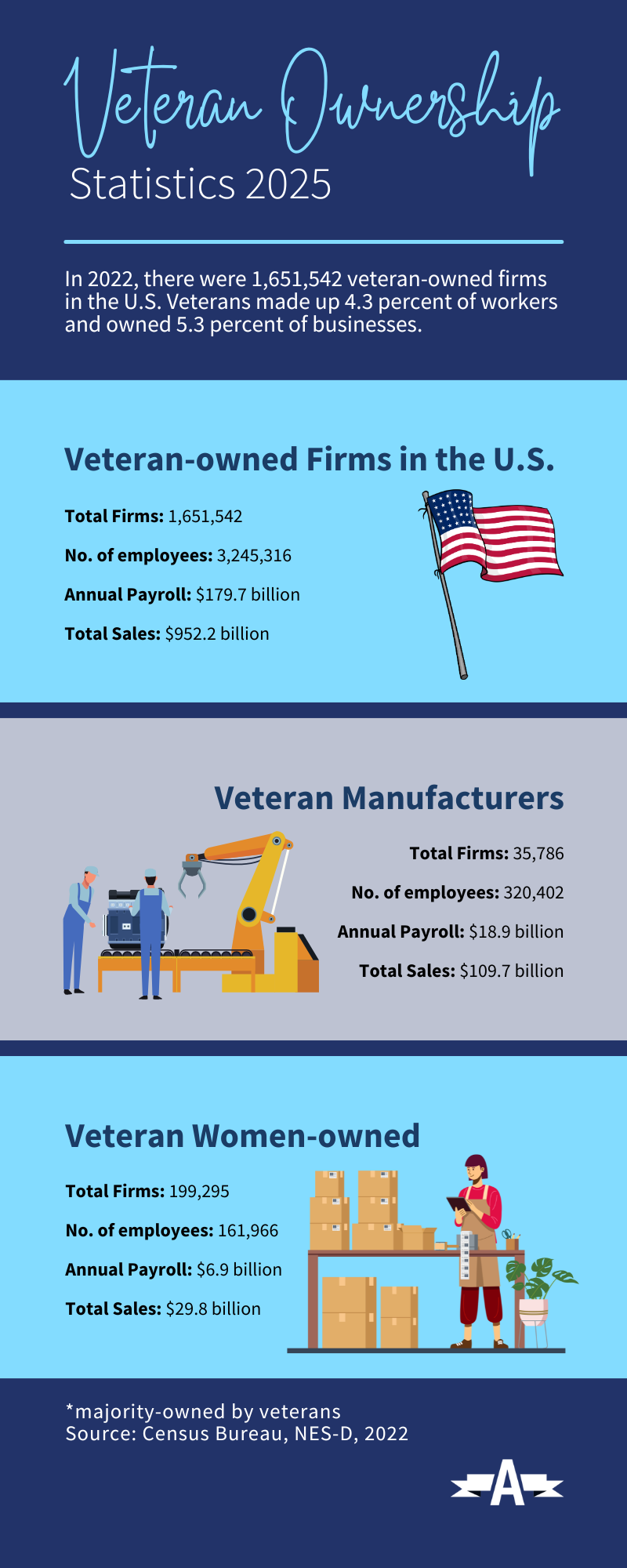






Veterans own over 1.6 million firms in the U.S. and 5.3 percent of businesses, according to the U.S. Small Business Administration Veteran Ownership Statistics 2025. Specifically, when it comes to franchises, one in seven franchise owners is a veteran (International Franchise Association). And many are excelling at their franchise roles, according to VetFran, with 99% of surveyed franchisors indicating that they think that veterans are a good fit as employees in their companies, and 97% saying that veterans make excellent franchisees.
“Often, people who complete a career in the military find it difficult to imagine doing anything different. So, they tend to seek positions that keep them connected with the military and their peers where they feel the most comfortable,” said Mike LeMire, who served for 26 years, and was an Army Career Counselor for 13 years. “But the truth is, most who served have developed the critical set of skills necessary to lead a small business, provided they have the acumen, and the desire, to do it. Franchise ownership forced me to step outside of my comfort zone and continue growing personally and professionally by leading others in the private sector while using the skills developed over an Army career.”
How might military training prepare veterans for business or franchise ownership? Following are five ways the military can be a natural training ground for business ownership, and if it could be a next step for you.
1) Leverage military training in leadership, discipline and operations
Structured, consistent training and discipline are often integral aspects of being in the military that can also translate well to business ownership. Franchises often lay out established systems and playbooks that veterans, with their backgrounds, may be adept at executing. Teamwork and motivating others can also translate well from the military to business.
Bryan Martinez’s discipline, accountability and teamwork, honed from the Air Force, helped him to go from apprentice to technician to vice president at Mister Sparky in San Antonio, after being medically discharged and being offered a role from the owner (who is also his father-in-law). Martinez is now preparing to open his own location in Corpus Christi this year.
Similarly, Luke Cain, a Marine Corps veteran and Mosquito Squad Plus franchisee in Augusta, Georgia, suggests, “Do what is put in place. There are other owners doing the same thing — take that wealth of knowledge and use those processes.”
2) Capitalize on military experience addressing risk and pressure
Just as in the military, business ownership can regularly present new challenges. Business owners need to make informed decisions quickly, adapt to changing circumstances, and remain focused on long-term objectives alongside unexpected obstacles. Those with military training are often well equipped to address stress, manage competing priorities, and maintain discipline even when resources are limited or challenges arise. Military experience can often instill strong leadership, accountability, and problem-solving skills, and veterans are often used to being part of a mission-driven team, communicating clearly, and executing plans with precision.
3) Capitalize on positive benefits of community interaction
Small businesses and franchises are often community focused, with opportunities to serve people and important causes. Being out in the field, moving around and meeting others, and hiring and mentoring employees and veterans can contribute to positive mental health.
To help grow his business after retiring from the Army, LeMire developed partnerships with local businesses and community partners to improve brand awareness, while also engaging with the local VFW and various veteran networks. VFW Post 1170 was enormously helpful in providing resources and helping to mitigate logistical challenges and expenses during the critical startup phase.
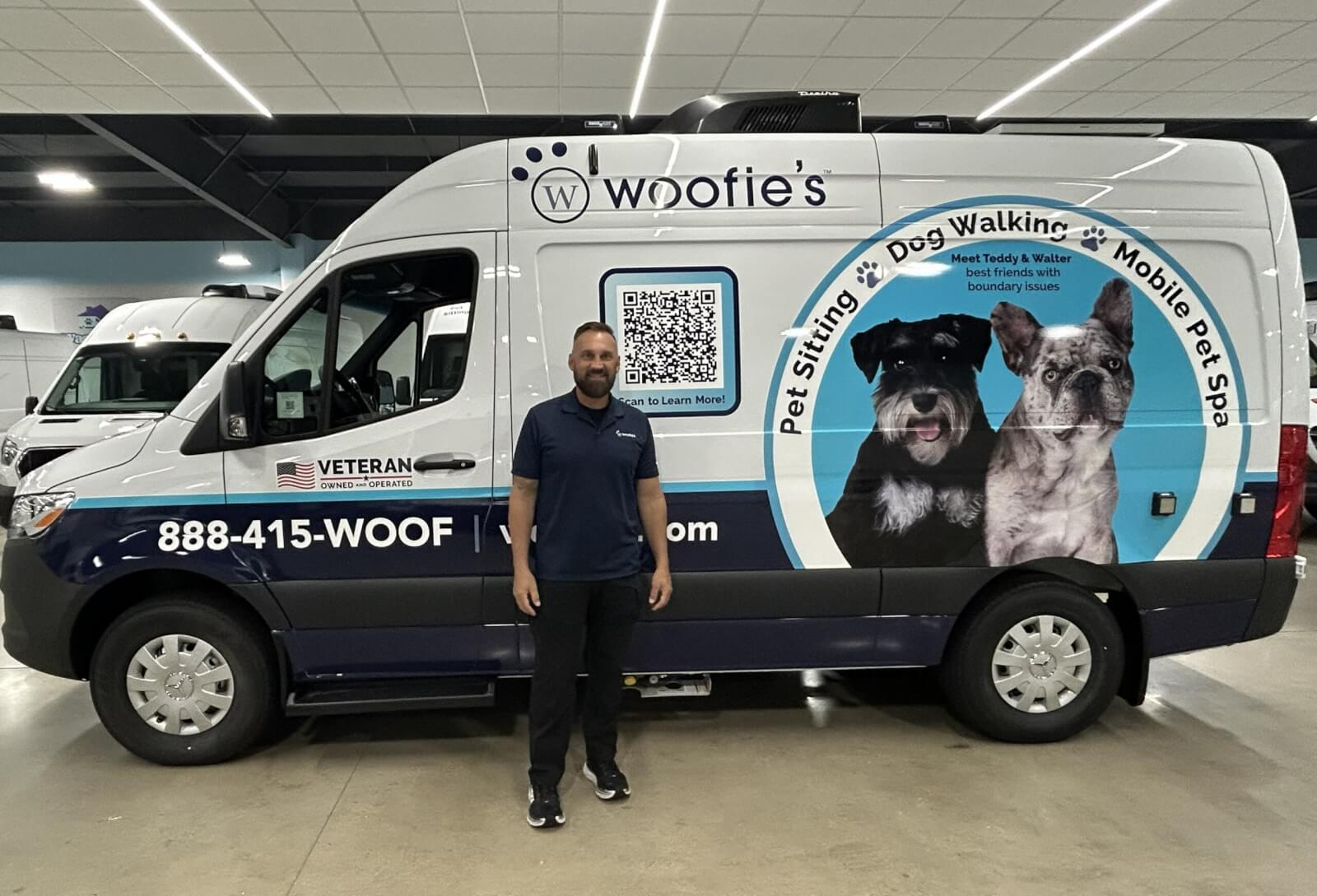
“Business and franchise ownership provides an opportunity for former service members to apply meaningful military experiences to the business world, to attract, employ and retain people, offer professional development opportunities, and become integrated in the local community. Owning a franchise has given me the freedom and flexibility to apply lessons learned in the military while serving my community and enriching other peoples’ lives,” he said.
Being a business owner can also present opportunities to give back. Scott Wood Jr. operates Benjamin Franklin Plumbing and McCarthy’s One Hour Heating & Air Conditioning in Omaha, Nebraska, and is himself a veteran, having served as a Master at Arms K9 Handler for search and rescue in the Navy, then serving in the Navy Reserve. Wood was proud to be able to participate in The 50 Mile March, focused on supporting veterans struggling with PTSD and suicide prevention. His company provides deeply discounted or free HVAC and plumbing services to low-income veterans and shelters in need, partners with Heart Heroes — an organization supporting children with congenital heart disease — and donated thousands of hand and feet warmers to homeless individuals.
“When I relocated to this area, I wanted to work with organizations that believed in what I believed in,” he said. “As a veteran, it is important to support those that take care of us.”
4) Capitalize on family and getting them involved
Many in the military appreciate that owning a small business can be a family affair. A family business can provide a shared purpose and trust while creating the possibility to build generational wealth and pass on a business. It can also provide greater flexibility by giving family members the ability to take on roles that align with their skills and availability, can be a great way for families to bond, and allow kids to learn about building a business and working with the local community.
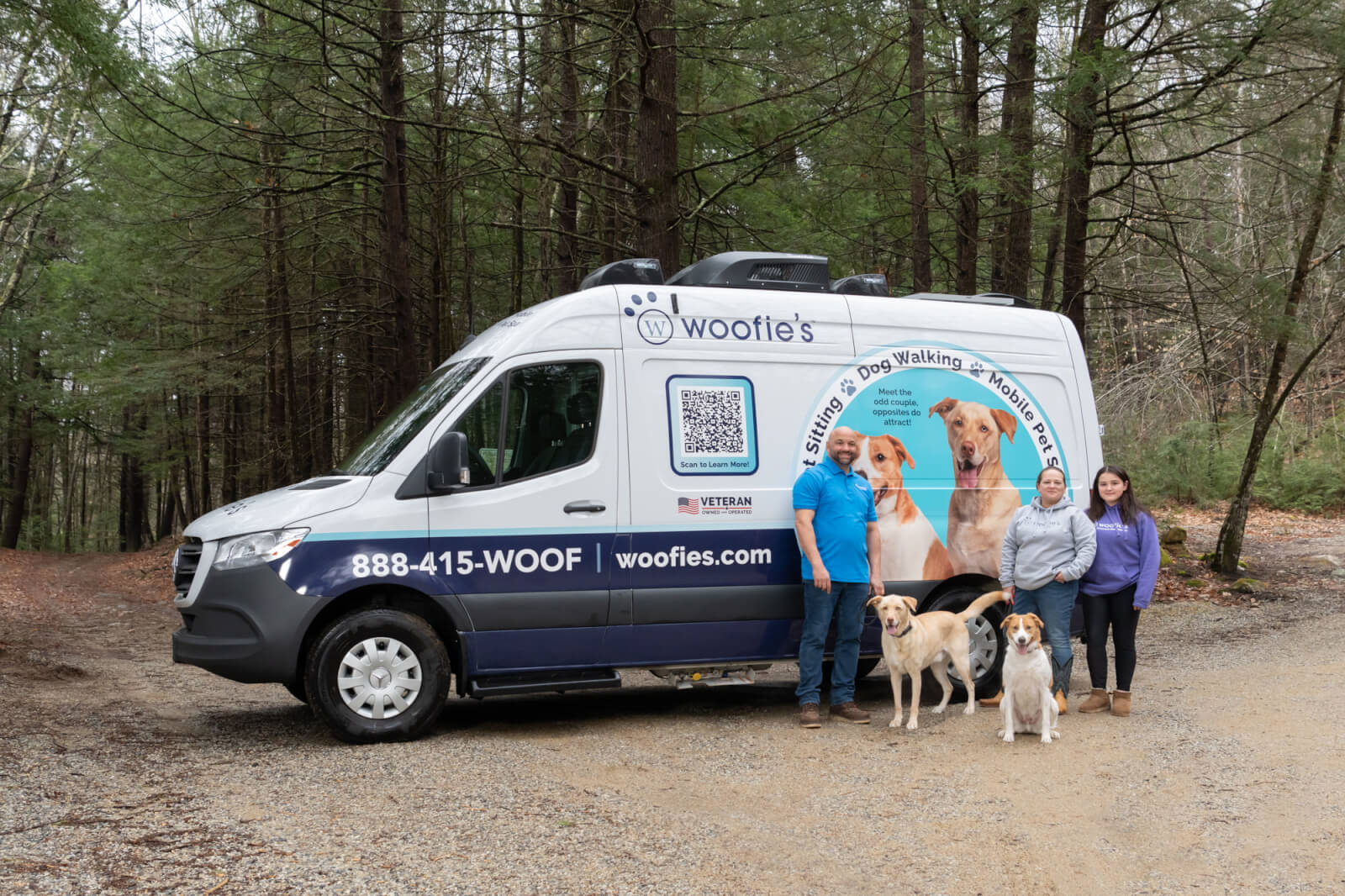
Woofie’s of Concord–Manchester is owned and operated by Arty and Jennifer Flecker, who bring together maintenance, medical and leadership experience from their service in the Air Force. The couple are parents to three grown children, and Woofie’s has become a true family venture — even their youngest daughter joins them at community events.
“Owning a Woofie’s has given our family the chance to work together while making a positive impact on our community,” said Jennifer. “The sense of purpose we found in the military continues here every day, helping pets and the people who love them.”
5) Potential for discounts and lowered barriers to entry
Veterans may also be eligible for assistance through franchisors, VetFran and others when it comes to business ownership. They may be able to leverage VA disability, military retirement pensions, and VA or military retirement health care while they get the business up and running.
Some franchisors also offer a military discount on franchise or territory fees. Do your research and look for those franchises and business opportunities that are recognized to be military friendly.
Deciding to transition to business ownership is a significant commitment. For many, it can be a rewarding career move, offering flexibility, financial opportunity, and personal fulfillment while taking advantage of skills honed as a veteran. Many franchises also have processes and systems in place that those in the military can carry out to reduce risk. Regardless, business ownership is not a small decision to make. Consider your goals, passions, the culture and model of the franchisor, and if it aligns with your needs. Ask questions throughout the process to determine if it could be the right move for you.
Amy Addington is co-founder and president of Woofie’s — an Authority Brands company and premium pet services brand focused on pet sitting, dog walking, and mobile pet spa services — that she built after leaving a successful corporate tech career more than 20 years ago. She can be reached at aaddington@woofies.com
Read comments