




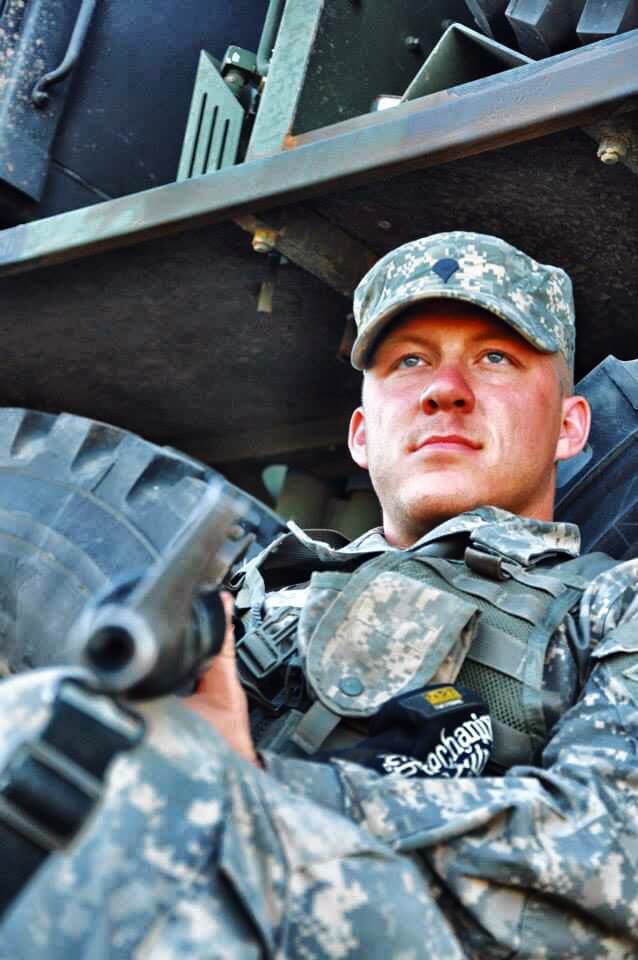
A wall in former National Guardsman Lars Langrehr’s home features two critical documents: his criminal arrest record and his college degree. The first speaks of the past, while the second illustrates a journey replete with broken hearts, addiction, letdowns — and hard-won success.
“The only time you fail is when you stop trying to get better,” said Langrehr, who was an active-duty soldier before joining the Guard. And his five rehab trips are proof that the small-town veteran — Lyons, South Dakota, boasts 105 people — isn’t a quitter.
The son of a 33-year service member, Langrehr already drank alcohol before enlisting. Then came multiple significant injuries after joining the military that left him with both physical pain and feelings of inertia.





















“It was like everyone else is moving forward but me, and I couldn’t shake that feeling of not being good enough,” he said. “Soon, I was trying to numb every possible thing.”
That numbness came via alcohol and abusing prescribed painkillers. Langrehr listed them off: “Hydrocodone, OxyContin, morphine, Dilaudid. All the narcotics for pain.”
Traditional rehab facilities legally forced upon him didn’t slow his $3,000-a-month cravings. Sometimes after “graduating,” he would use again the next day. Three rounds of rehab came and went, with no lasting change. The soldier, still in the Guard, doctor-shopped for new prescriptions and bought street drugs. He went from a muscular 230 pounds to a skeletal 137, deciding to end his life on May 22, 2012.
Langrehr took 42 pain pills, drank engine oil, drove a car backwards down a busy (“Well, for South Dakota, anyways”) street, and tried to shoot himself. When those methods failed, he accepted his sister’s invitation to church. What could it hurt?
“I thought no one’s going to care about me, an addict,” remembered Langrehr. “Like, they’re so judgmental.”
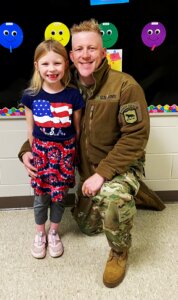 He unexpectedly found the opposite, leading to a newfound relationship with God. Over the next few years, he married his sergeant’s sister and became a father. But he couldn’t kick his addiction, getting so high for his daughter’s birth that he has no memory of it.
His wife had had enough. “Why do you run back to drugs?” she asked him. “Until you find your why, you’re going back to rehab.”
That’s when Langrehr heard about Warriors Heart. It is the nation’s first and only private and accredited treatment program exclusively treating military, veterans and first responders struggling with addiction, PTSD, anxiety, trauma, suicide ideation and co-occurring issues. He checked into the Texas facility in 2017, relishing the unique, military-focused brotherhood — but returned on Jan. 26, 2018, for his fifth total rehab stay.
“I felt lower than dirt, thinking I’d failed everyone there,” Langrehr said. But then Vonnie Nealon, Warriors Heart Sober Living director, hugged him and said, “Welcome home.”
Visit Warriors Heart, which accepts TRICARE, for more information on program support. If you or a loved one needs help, call the 24-hour hotline (866-955-4035) answered by warriors.
“I was so moved by that,” Langrehr said. For the first time, he felt safe enough as the days passed to disclose his childhood sexual abuse. He also learned why substances were so attractive for him, as well as how to handle his triggers and cope with life’s challenges.
“Lars returned full of guilt and shame; he struggled to look me in my eyes,” said Nealon. “He started to apologize for relapsing; what he found was love, compassion and acceptance as I welcomed him home.”
Today, Langrehr is clean and a college graduate. He is thriving in his marriage and fatherhood (“I’m a cheer dad!”), and still in touch with Warriors Heart buddies (“You can lean on a brother,” he said). Out of the Guard since 2021, he’s currently a pastor and public speaker who loves helping other addicts get — and stay — sober.
That’s a skill he credits to Warriors Heart.
“Warriors Heart saved my life,” he said. “It gave me a purpose to live again.”
Tips from former National Guardsman Lars Langrehr on getting through the holidays:
- Realize it’s OK to not be OK — there’s no shame in low points, especially during holidays.
- Find an outlet — churches, volunteer organizations, sports leagues, military-connected clubs like the VFW and sobriety nonprofits like Alcoholics Anonymous (AA) are waiting with open arms to hear your story.
- Look for angels — “There’s always someone out there who went through the situation you’re going through who can help,” Langrehr said. “I promise there is always hope somewhere.”
- Set realistic expectations — if it’s your first Christmas out of rehab, don’t expect a fairy-tale day. Get ready for a few bumps, including potential temptations, and plan accordingly.
- Acknowledge your true identity — “You’re not what the world says you are,” said Langrehr. “You’re loved, honored, worthy and forgiven.”
- Ask for help — don’t be afraid to ask your relatives and friends for assistance, or even someone like an AA sponsor, to keep you sane and focused.