



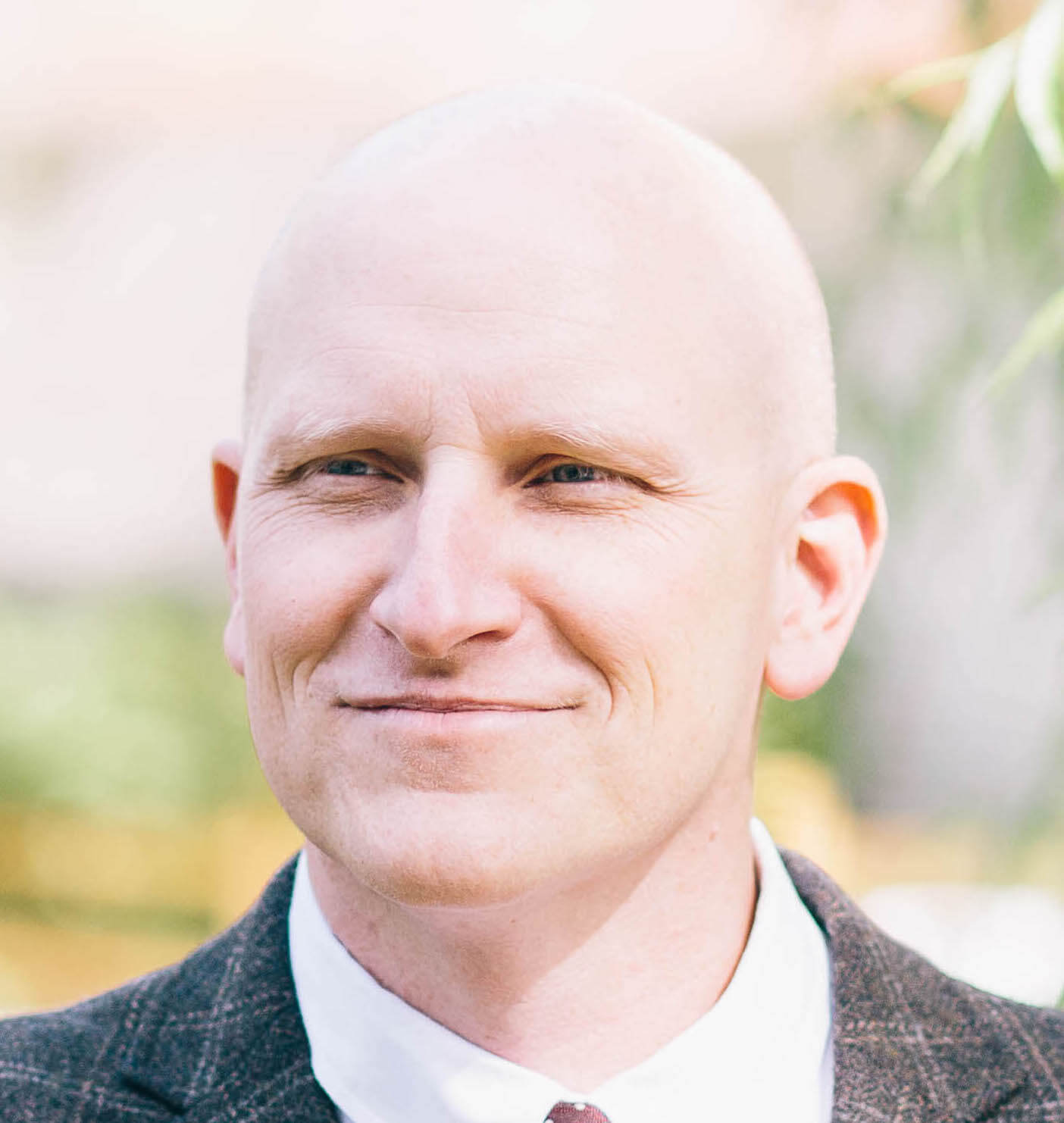
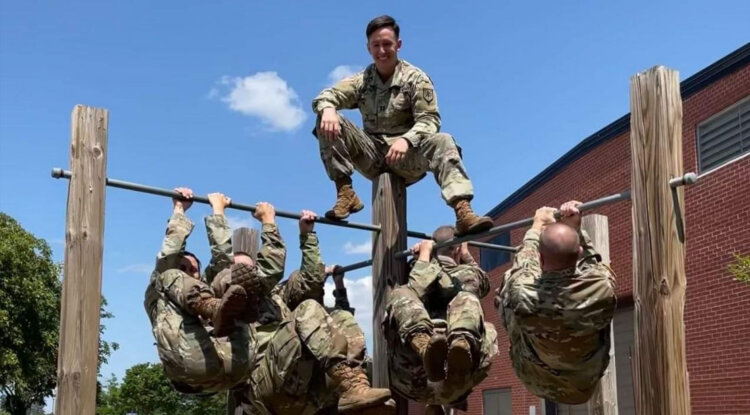
When Alex Morrow entered West Point, he wasn’t new to working out. At his parent’s insistence, he’d run cross country in high school. But as an aspiring plebe — the affectionate term for West Point freshmen — he felt his anxiety bump up a notch as he awaited the physical rigors that come with the nation’s oldest service academy.
“I arrived at West Point not particularly physically fit,” said Morrow, a major in the Army Reserve. “But over the course of four years, I really grew into it. PT was my favorite part of the day on a lot of the days, and I started to nerd out about fitness.”
Morrow has since emerged as a fitness and performance authority, especially when it comes to the Armed Forces and the reserve component, in particular. Today, he leads MOPs & MOEs, an organization he founded to “elevate military human performance.”













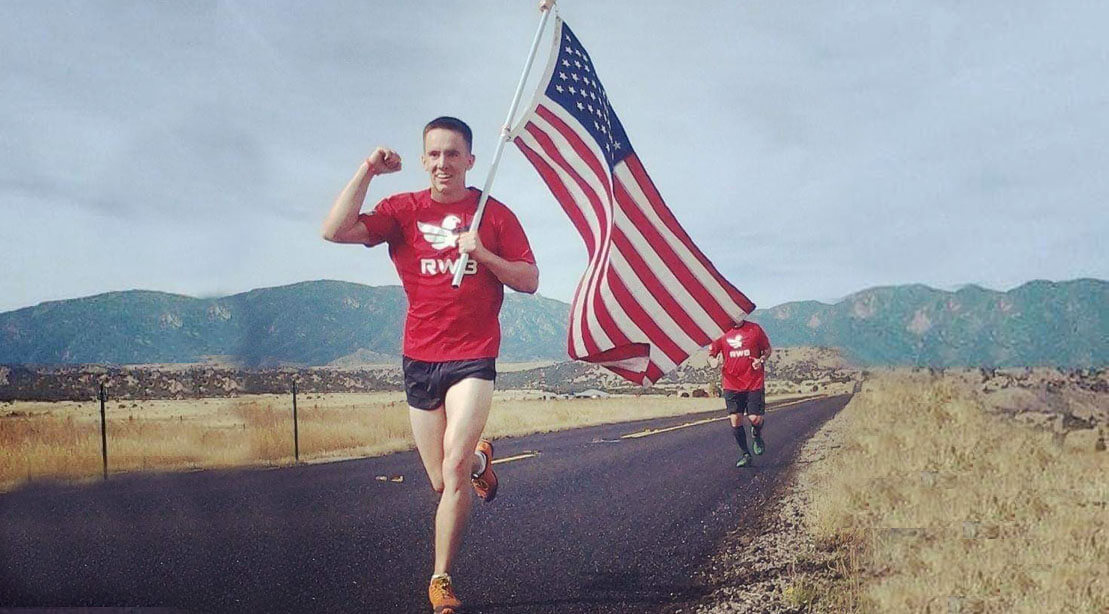
Standing for Measures of Performance & Measures of Effectiveness, MOPs & MOEs was born out of Morrow’s firsthand exposure to the Army’s fitness culture. After graduating West Point and several years as an intelligence officer, Morrow learned the Army was launching a new PT program and needed project officers. Ultimately, he landed a slot at the Army Fitness School.
“What I realized was, it wasn’t that the Army didn’t know better, it’s just that we’re not very good at communicating and disseminating that knowledge,” said Morrow. “The single greatest cause of making a soldier non-deployable is musculoskeletal injuries as a result of training and sports, not from disease, accidents, or the enemy.”
The military, in Morrow’s estimation, works hard, but not always smart. Though active-duty soldiers might spend five to 10 hours each week on PT, many still fail to meet fitness standards and about half are overweight, with some outright obese. Through MOPs & MOEs and its popular podcast, Morrow labors to modernize military performance efforts, with a focus on efficacy instead of sheer effort.
“All that gets solved with smarter training,” said Morrow. “When a soldier leaves basic training, we have to have units know that there is still work to be done.”
The reserve component, Morrow concedes, is not without its challenges, namely that the majority are only on duty during weekend drills or a few weeks in the summer.
“There is no program that is executed two days a month that can get you ready for military operations,” said Morrow. “(But) people are trying creative things on how to crack the code on how to keep reserve component members engaged during the month, such as wearables.”
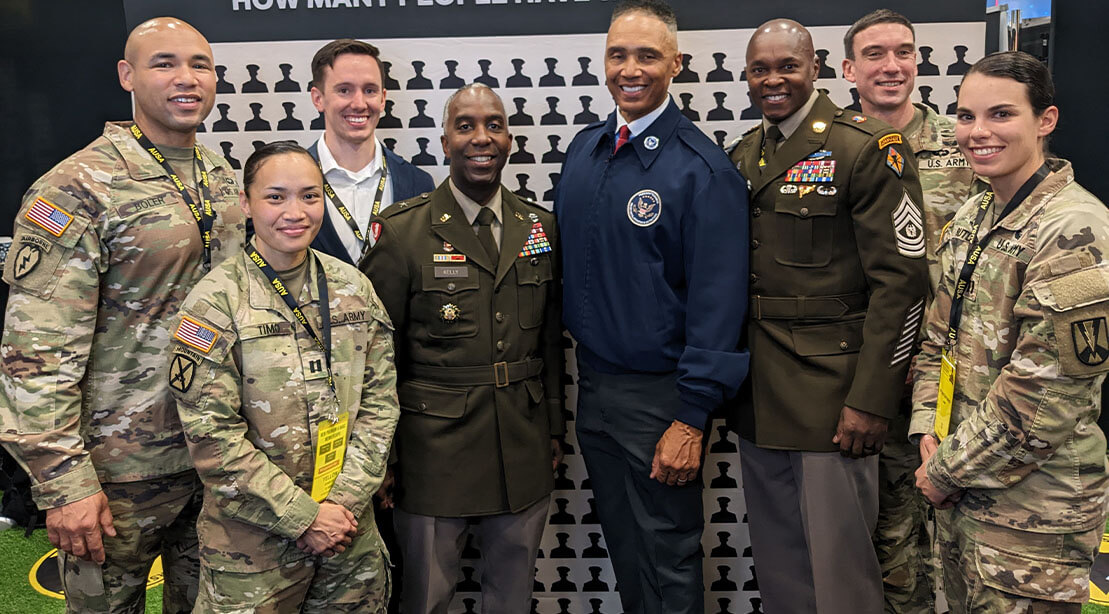
For the motivated reservist or guardsman, though, that distance also offers the chance to avoid the random ruck march or gauntlet of other injury-plagued tasks for which active-duty leaders are infamous.
“As an Army reservist, I’m more fit than I ever was on active duty,” said Morrow. “I would make the argument that the Guard and Reserve are actually positioned to do smarter, more individualized, more effective training because they have more flexibility to conduct training on their terms.”
To drive these conversations, Morrow and the MOPs & MOEs team are engaging military leaders making the decisions that drive military fitness. Moreover, through their podcast, they’re tapping the wisdom of subject matter experts outside the military community, believing their wisdom can move the needle with those implementing change, such as NCOs and junior officers.
“We thought we were going be a podcast about sets and reps and how to deadlift and squat, but we’ve found we’re doing a lot more culture stuff,” said Morrow. “The challenge becomes not a science problem, but a culture problem.”
Visit MOPs & MOEs to see the full lineup of podcast topics.