



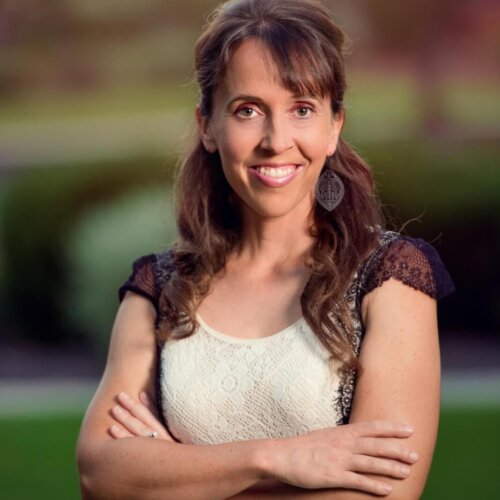
If every musician’s life has a personal key, former National Guardsman and Army reservist Cindy Chaffee’s would be in the key of C.
First, there’s her name. Then there’s words like choir, composer, chords, cadence and classical — anything and everything to do with music, including serving in the Vermont National Guard’s 40th Army Band, as an assistant conductor of the Army Reserve Band, and as a music teacher and volunteer for music-related causes over the decades.
Next comes California, where Chaffee moved from Vermont after serving in the Guard from 1980 to 1982. She stayed in the Army Reserve until 1991, eventually landing in secondary education and educational leadership.






















But then came more Cs, these ones wildly unwelcome: colon cancer amid the COVID-19 catastrophe in 2020. And though the key of C has no sharps or flats, Chaffee’s cancer journey proved to be full of both.
“It was awful,” said Chaffee, who plays nearly every musical instrument and specializes in alto saxophone.
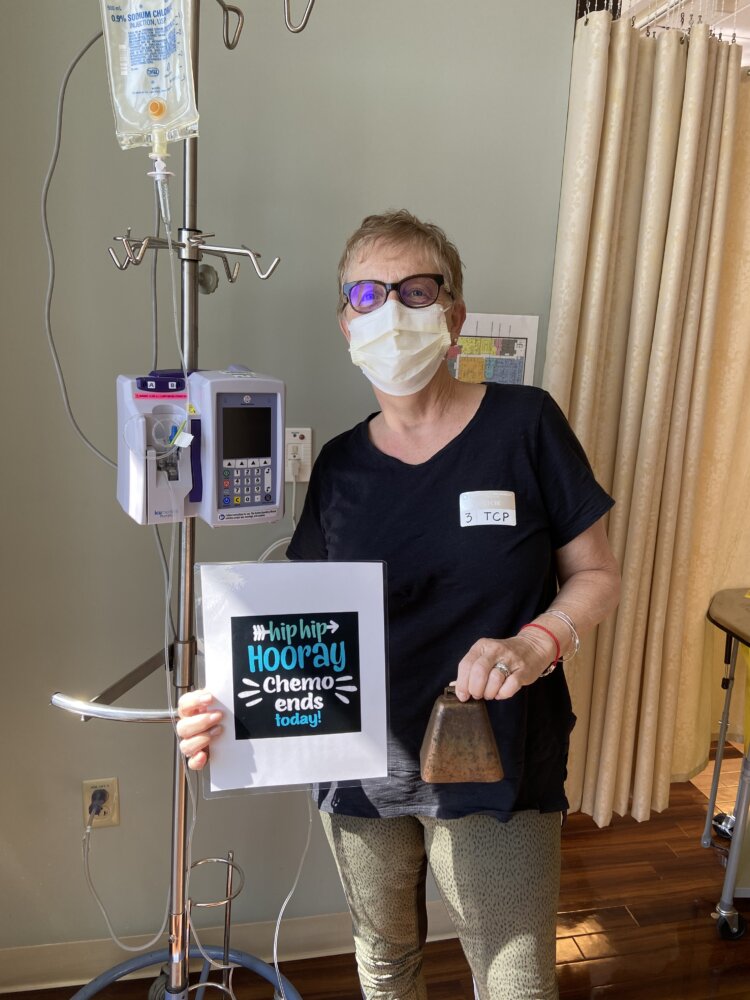
“There was a point where my chemotherapy lasted 56 hours each time, and I called my oncologist to ask how long do I have to live if we stopped chemo — because I wasn’t living; I was just throwing up.”
That’s where the support from family and friends — banned from attending treatment with Chaffee — proved invaluable, alongside lessons learned during Chaffee’s military service. Chief among them: never give up, no matter how hard the mission gets.
“You have to keep moving forward,” she said. “Know that you’re not the only one going through this; I remember that from my [National Guard Basic Leader Course] days. We’re all in this together.”
The musician, who has played in honor of the 1984 Olympic torch crossing the Golden Gate Bridge and for famous names like Jerry Lewis, Martha Raye, Jimmy Stewart and Sammy Davis, Jr., had always known about her strong family history of cancer, especially of the colon. But then she noticed blood in her stool, one of the main indicators. Surgeons removed a large benign tumor in her colorectal canal, alongside re-sectioning eight inches of it, when she was 49.
Chaffee saw specialists every six months from then on, eventually retiring from education in 2019, and her official cancer diagnosis came the following year. Thankfully, after who knows how many rounds of chemotherapy and radiation and at least 20 colonoscopies, her five-year marker testing came back negative. So she plays on.
Cancer also failed to stop her from contributing to her community. One of her most meaningful volunteer positions is with the Cancer Hope Network, where Chaffee, who counts Bach, Handel and Sousa amongst her favorite composers, mentors new or struggling cancer patients.
“The need to give back has always been a major priority in my life,” she said. “When my mentees say things like, ‘Nobody told me you couldn’t drink cold stuff during treatment,’ I say, ‘I know, and I’m sorry no one told you that.’ I understand what they’re going through.”
Whatever they’re going through, Chaffee believes music should accompany it. One of her favorite experiences as a military bandsman was performing and recording the national anthem as part of the 300th Army Band at the famous Capitol Records in Los Angeles that was then played in every base theater worldwide for a time. The notes still move her.
“To this day, I’m just so honored and proud of what I got to do: serving my country, playing my music and meeting so many amazing people,” she said. “Music is the universal language of safety, pride, purpose, bravery and courage, and it can represent all that without a word.”
There it is, one final “C note” for Chaffee: courage.