


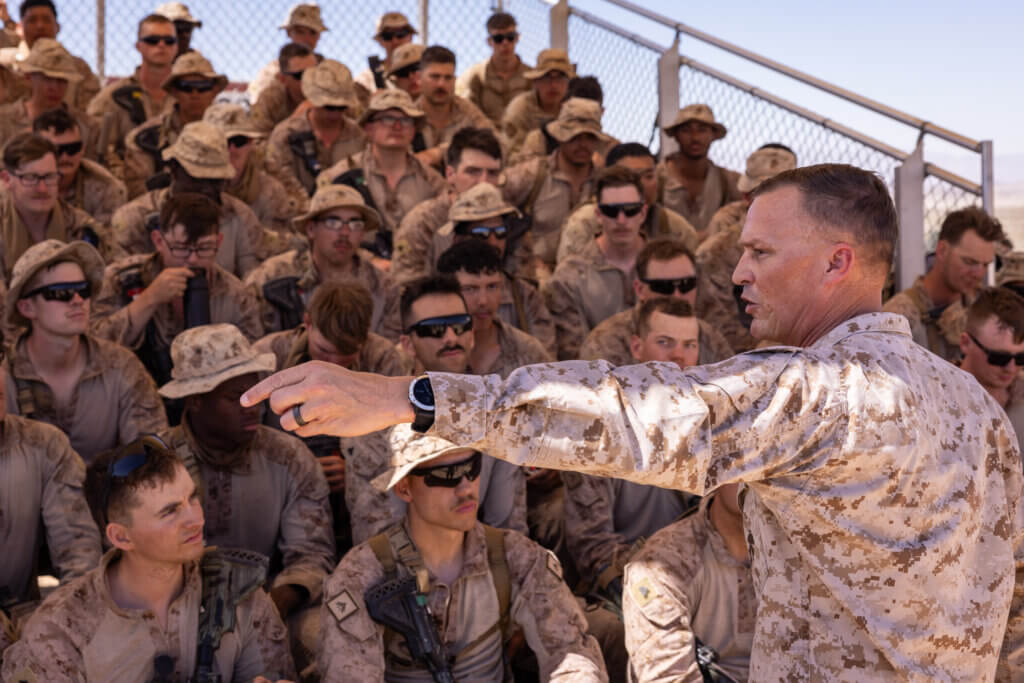
The head of Marine Forces Reserve says his greatest assets are also his biggest limitations: manpower and time.
Marine Lt. Gen. Len “Loni” Anderson has been a reservist for roughly 19 years of his three-decades-long career. When he took command of MARFORRES in 2024, he knew he wanted to focus on global force management and the reserves contribution to the total force.
“I came in with that drive, what can we do for global force management to assist the Marine Corps … and I guess here 15 months later — and as we’ve seen with recent world activities — that demand hasn’t changed,” he said. “But what has changed for me is the realization that things don’t happen overnight when I’m trying to increase readiness, increase manpower in our particular units, as we’ve come out of our post-COVID recruiting numbers, and trying to build back up the reserve force.”















Anderson is clear that “this particular moment” presents “incredible opportunities” to reservists, in terms of training experiences and the critical role they play.
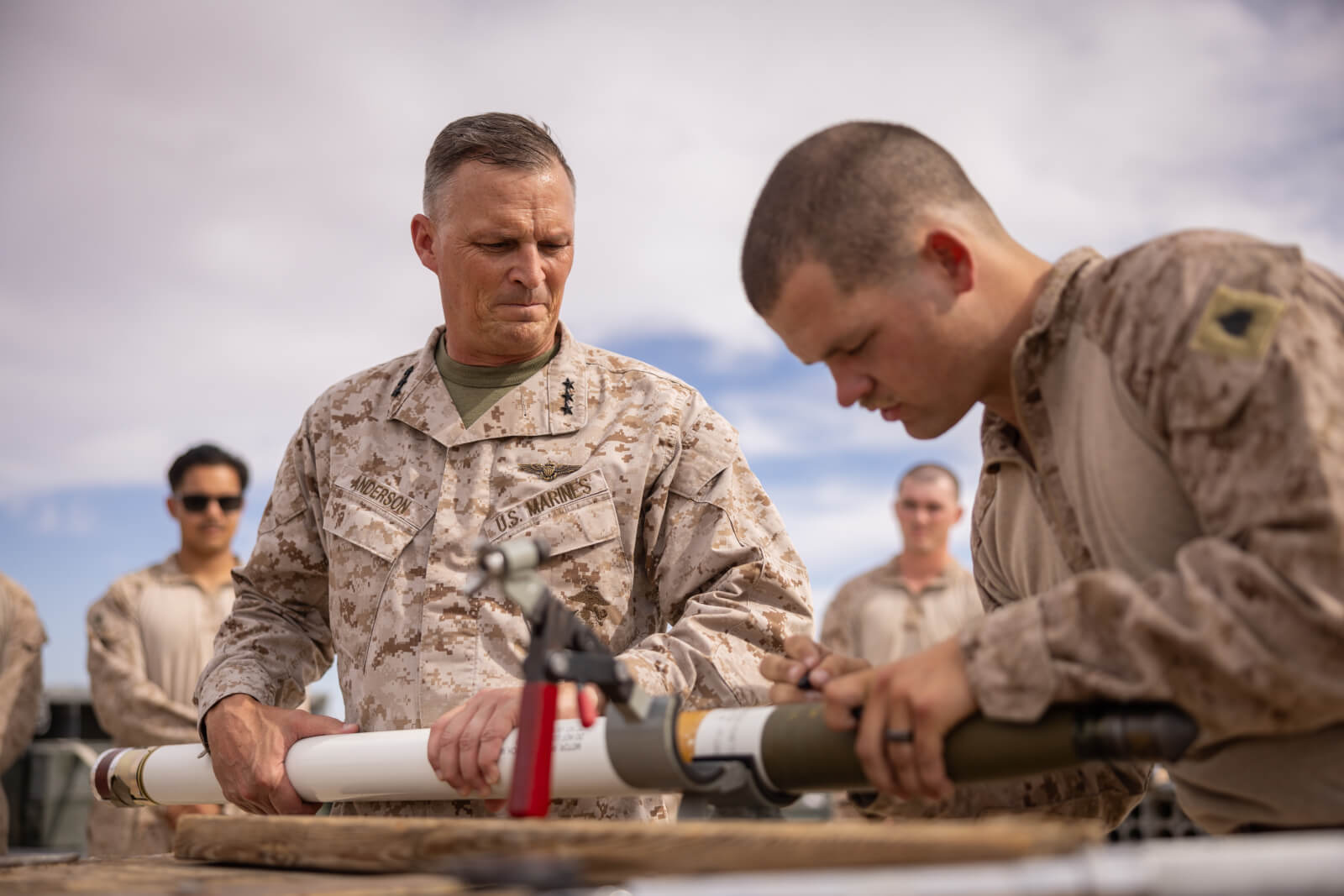

This June, as an example, 4,000 Marines participated in the annual Integrated Training Exercise (ITX) at Twentynine Palms, California, which Anderson describes as “the Marine Corps’ most exquisite and complicated training area and training scenarios that we can possibly experience in the reserves.”
He also added that, at the time of reporting, Marines from the wing support squadron would be logging annual training in the INDOPACOM region, preparing and fixing runways in support of Marine Corps Forces, Pacific (MARFORPAC).
Anderson, who grew up in northern Minnesota and received his commission in 1993, said Marine Corps Commandant Gen. Eric Smith is also focused on optimizing the use of the reserves in a way he hasn’t seen throughout his career.
“Throughout my last 32 years, I haven’t had a commandant that’s been behind the use of the reserves and the total force as much as Gen. Smith,” Anderson said. “So when we’re all in the room as a senior leader in the Marine Corps … the reserves are constantly part of the conversation.”
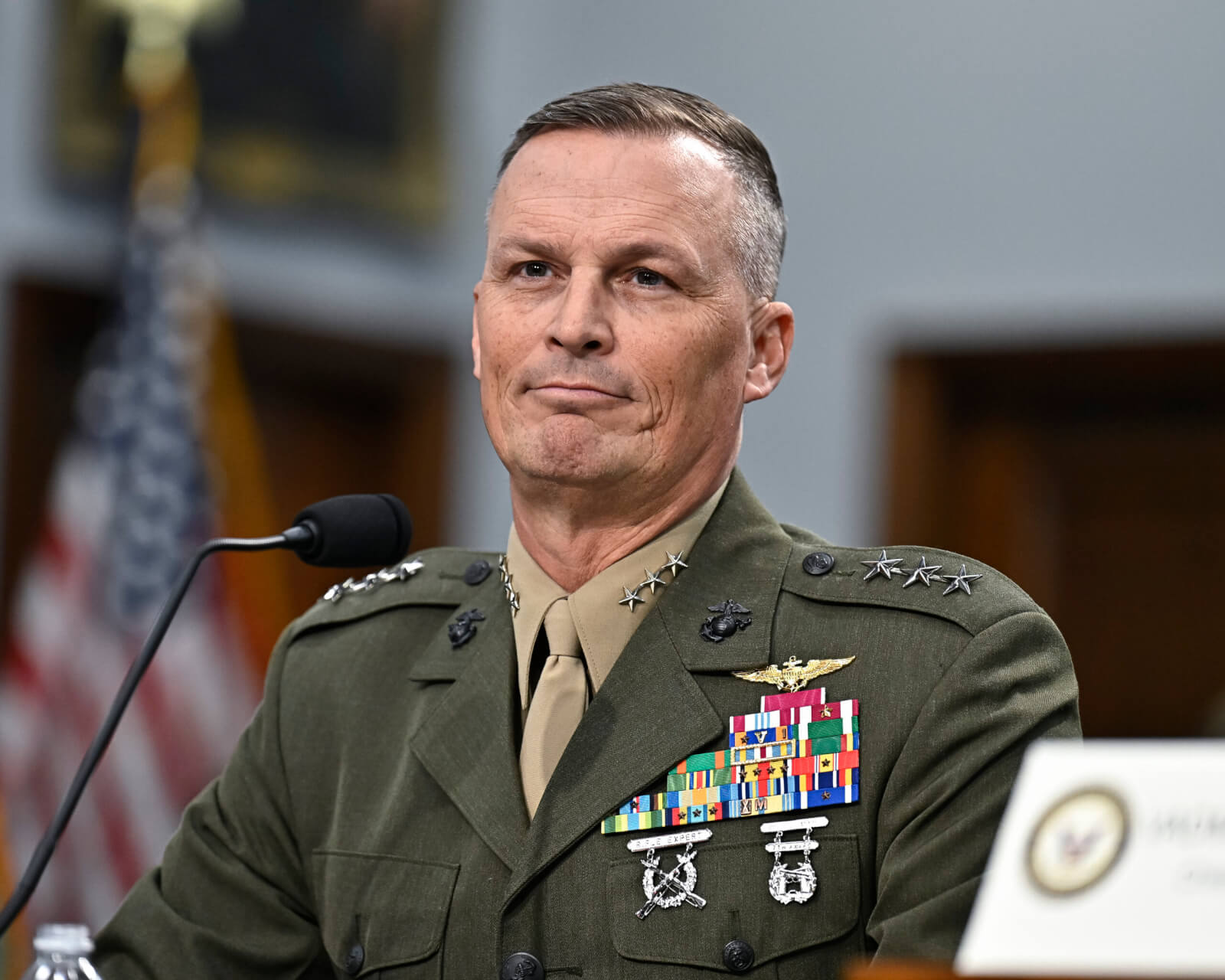

Active to reserves
For active-duty Marines considering their next career move, Anderson outlined several benefits of going reserve rather than getting out altogether:
- GI Bill and tuition assistance,
- TRICARE Reserve Select,
- Continued Marine Corps culture,
- Crossover of some of the same tech, weapons, equipment, and aircraft as active component,
- And, he adds, flexibility in MOS options.
“I don’t think there’s been a time where the reserves have been more permeable, meaning you can move throughout positions, or you can return to active duty,” Anderson said, including that in just the last year, 500 reservists have done just that.
Career progression
For those already in, Anderson shared advice on succeeding as a Marine in today’s force.
- Take advantage of the PME seats that are there.
- Maintain Marine Corps standards.
- Be good at your craft; be good at warfighting and whatever your MOS is.
“I’ve seen plenty of reserve Marines that have come in … really took off, made a long career out of it, and found that the reserves were something that fit their lifestyle.”